On July 23, American Eagle launched an ad campaign featuring actress Sydney Sweeney that instantly sent the internet into an uproar.
“Sydney Sweeney has great jeans,” is the overarching message across the campaign.
However, it’s more than a slogan, it’s a fascist dogwhistle.
The double entendre of the word “jeans” was quickly deciphered as propaganda for eugenics — the belief that certain groups of people have genetic superiority over others.
American Eagle implied that Sydney Sweeney has great genes.
The campaign was rightfully repudiated for its problematic undertones that reflect the growing fascist ideologies in America attempting to erase the presence and history of minorities.
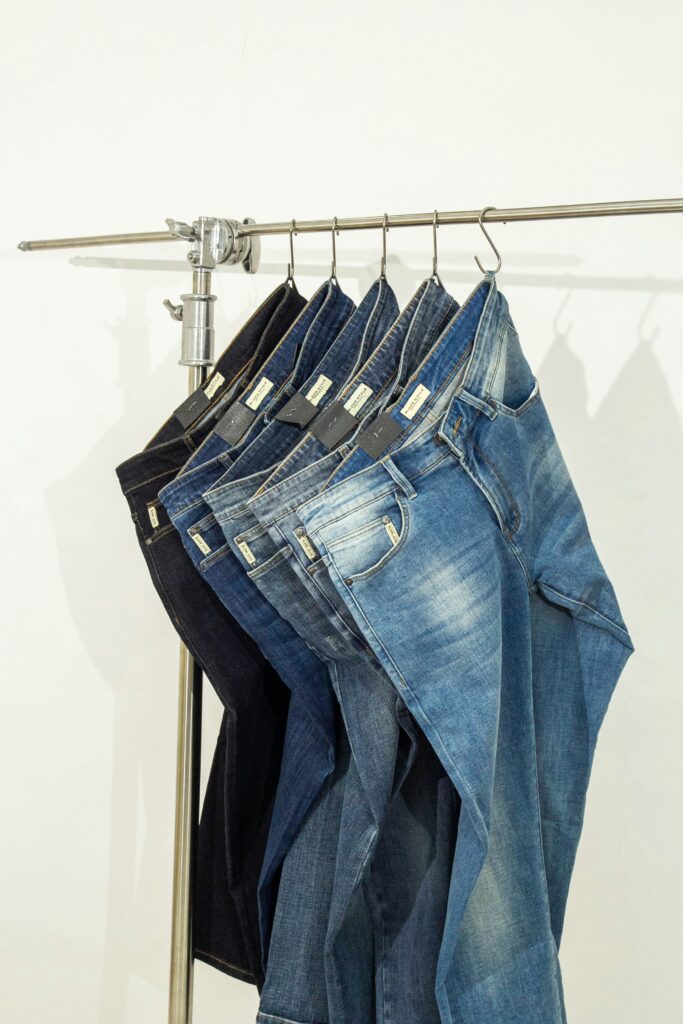
Particularly, denim has traditionally been considered a textile for the poor, or “Black fashion,” ultimately, revealing the irony in a campaign suggesting that “blue genes” were more favorable than the genes that have dominated denim for generations.
Historically, denim has been utilized as a distinctive fabric to separate the working class from the upper class; more specifically, the enslaved and their enslavers.
Content creator Kiki Rae Real shared images of her own family on TikTok, all adorned in denim, tracing back several generations to her fourth-great grandfather, an enslaved man.
“Our people gave this cloth blood, sweat and sunstroke. This ain’t just denim, this is gentrified fashion cosplay,” she said. “Now we’re here, denim ads whispering Manifest Destiny in HD. Blue jeans weren’t born in Europe, they were soaked in cotton fields and prison yards.”
Kiki Rae Real also mentions another popular denim brand, Levi Strauss & Co., known for being the birthplace of blue jeans.
Levi’s is also known for their consistent dedication to reflecting and supporting societal progression in their fashion design, such as being the first brand to create a line of jeans for women in 1934 despite the controversy involving women wearing pants and participating in the workplace. Most recently, they have collaborated with Beyoncé on a year-long campaign called REIIMAGINE following her album “COWBOY CARTER” where one of the songs — “LEVII’S JEANS” — pays homage to the history of denim.
“The campaign represents a new level and scale of collaboration that has put women at the center of the narrative and set in motion a new, iconic chapter in Levi’s history that continues to reaffirm the brand’s place at the center of culture,” said global chief marketing officer Kenny Mitchell.
Although Levi’s did not directly produce a commercial in response to American Eagle’s, their collaboration with Beyoncé shows their commitment to the preservation and celebration of culture rather than American Eagle’s prioritization of political cues that might have influenced their monetary gain. Once again, negating the concept that one set of genes is superior and more worthy of being represented and honored.
Other brands have come forward with advertisements empowering culturally diverse audiences as well. On Aug. 19, GAP collaborated with rising multi-ethnic global girl group sensation KATSEYE. The advertisement showcased not only comfort and flexibility required to dance extensively as the singers did, but highlighted the tailored denim pieces to each girl’s body and personal, cultural style.
“Better in Denim,” GAP wrote, “This is denim as you define it. Your individuality. Your self-expression. Your style. Powerful on your own. Even better together.”
While diversity was a focal point of the commercial, its fun and lighthearted nature made it an enjoyable, refreshing and addictive watch that made it delightfully memorable as well. GAP’s appeal to the younger, female audience proved more effective in garnering positive attention to their product than American Eagle’s alignment with the white male gaze.
One of the advertisements from the American Eagle campaign mirrored a 1981 Calvin Klein ad with 15-year-old actress and model Brooke Shields. The commercial depicts Sweeney in an unbuttoned jean jacket and zipping up her pants while describing genetics, mimicking the over 40 year old Calvin Klein ad.
Deciding to imitate the advertisement creates an added insensitivity to an already distasteful matter. A 27-year-old woman replicating a commercial sexualizing a teenager is truly the cherry on top of all the wrong ways American Eagle went about their campaign. Utilizing the back-to-school season to objectify Sweeney and appeal to the male gaze is an ironic, counterintuitive tactic, which the mass approval of the KATSEYE collaboration with GAP proved true.
Jess Britvich, a TikToker who makes content about internet culture and politics, described American Eagle’s commercials as a contribution to “anti-woke consumer branding” despite being one of the leading brands during the body positivity movement with their line #AerieREAL Life, partnered with their sub-brand. Unlike Levi’s and GAP, American Eagle wavered in their commitment to their customers and morals in the name of politics.
Britvich also asserts that American Eagle explicitly catered to conservative audiences and utilized Sydney Sweeney to serve as a figure for supreme femininity.
“Women deemed desirable by the state are seen as carriers of a racial and cultural purity,” Britvich says.
As a girl group with six members from different countries and ethnicities, KATSEYE appealed not just to young women, but also to a variety of cultures that American Eagle and Sydney Sweeney failed to do. Their inclusivity evoked gratitude amongst viewers to see representation of themselves reflected in an advertisement, especially in a political and social climate actively restricting individuality and diversity.
Social media users also started coming forward with alternative campaign ideas promoting cultural inclusion. TikTok user Deontoillogical created a video building on the double entendre of jeans and genes to showcase the different colors that make up America.
“As an American brand, we know it’s not the color of the jeans, it’s what you do with them,” the creator said, holding up a variety of pants, “we’re more than just our jeans, we’re American.”
Viewers expressed feeling actual patriotism with the fake advertisement that they did not feel with American Eagle’s ad.
“Made me stand up and applaud,” one commenter half-joked.
“Crazy how one person made an ad better than a billionaire dollar company with writers and a PR team,” someone else stated.
In response to the overwhelming backlash American Eagle received for their campaign, they removed the advertisement with Sydney Sweeney discussing genetics across all social media platforms. However, screen recordings of it can still be found in other social media posts. The other commercials from the project remain on American Eagle’s accounts.
Nevertheless, the campaign has become a widespread acknowledgement of the growing facism seeping into every aspect of American culture, including the most popular fashion staple that is jeans. Contrary to the propaganda they attempted to endorse, American Eagle and Syndey Sweeney have only encouraged Americans to take more pride in their genes and what makes them great — their uniqueness.
Copy edited by Daryl R. Thomas Jr.